
Understanding Riders and Add-Ons in Insurance Policies
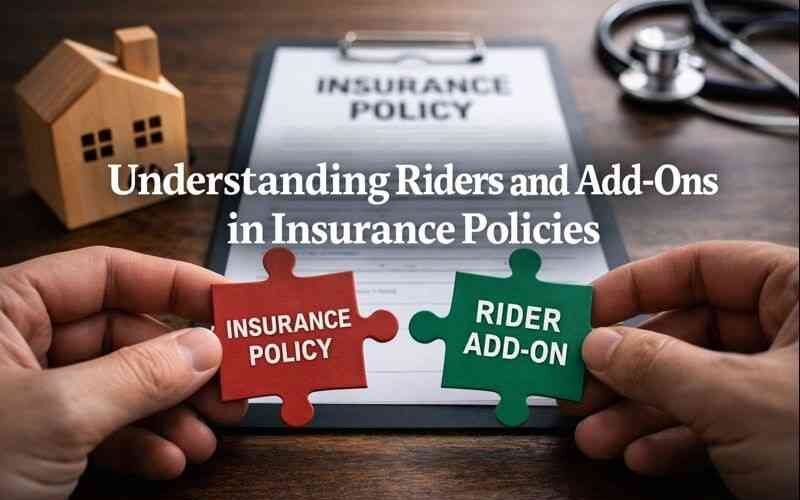
Insurance policies are designed to provide financial protection, but standard coverage may not always meet every individual’s needs. This is where riders and add-ons come into play. They are optional benefits that enhance the core insurance policy, offering additional protection for specific situations. Understanding them is crucial for making informed decisions and maximizing the value of your policy.
This guide explains what riders and add-ons are, their types, benefits, and how to choose them wisely.
1. What Are Riders and Add-Ons?
-
Riders: Optional clauses attached to a life insurance policy that provide extra benefits or coverage beyond the base policy.
-
Add-Ons: Optional enhancements available with health, motor, or other general insurance policies to cover specific risks.
Both are optional and involve an additional premium, but they can significantly increase the usefulness of your insurance.
2. Why Consider Riders and Add-Ons?
-
Customized Protection: Tailor your insurance to your personal needs.
-
Enhanced Coverage: Protects against risks not covered in the standard policy.
-
Cost-Effective: Paying a small additional premium can provide substantial extra benefits.
-
Peace of Mind: Reduces financial stress during unforeseen events.
💡 Tip: Evaluate your risk profile before adding riders to avoid unnecessary expenses.
3. Common Riders in Life Insurance
Life insurance policies often offer riders to complement the basic sum assured. Some popular riders include:
-
Critical Illness Rider: Pays a lump sum if diagnosed with diseases like cancer, heart attack, or stroke.
-
Accidental Death Benefit Rider: Provides additional payout in case of death due to an accident.
-
Waiver of Premium Rider: Waives future premiums if the policyholder becomes disabled or critically ill.
-
Disability Rider: Provides monthly or lump-sum benefits if you become permanently or temporarily disabled.
-
Hospital Cash Rider: Offers daily cash during hospitalization.
These riders enhance protection without requiring separate insurance policies.
4. Common Add-Ons in Health Insurance
Health insurance add-ons cover situations beyond standard hospitalization benefits:
-
Maternity Cover: Includes pre- and post-natal expenses and delivery costs.
-
Critical Illness Cover: Lump-sum payout for serious illnesses.
-
No-Claim Bonus Protection: Protects accumulated bonuses even if a claim is made.
-
Daily Hospital Cash Allowance: Helps with incidental hospital expenses.
-
AYUSH Treatment Cover: Covers alternative medicine treatments (Ayurveda, Yoga, Unani, etc.).
💡 Tip: Choose add-ons based on lifestyle, family planning, and health risks.
5. Common Add-Ons in Motor Insurance
Motor insurance policies also offer optional add-ons to cover additional risks:
-
Zero Depreciation Cover: Full claim on parts without depreciation deduction.
-
Engine & Gearbox Protection: Covers mechanical or electrical failures.
-
Roadside Assistance: Towing, emergency repairs, and on-the-spot help.
-
Return to Invoice Cover: Ensures original car invoice is paid in total loss cases.
-
Consumables Cover: Covers items like engine oil, nuts, and bolts during repairs.
These add-ons increase premium slightly but protect against unexpected expenses.
6. Factors to Consider Before Adding Riders/Add-Ons
-
Personal Needs: Assess your lifestyle, health, vehicle, and financial obligations.
-
Affordability: Only opt for riders that fit your budget; unnecessary add-ons can increase premiums significantly.
-
Coverage Overlap: Avoid duplicate coverage if you already have separate insurance for the same risk.
-
Claim Process: Check the ease of claiming benefits under each rider or add-on.
-
Policy Term and Limitations: Understand exclusions, waiting periods, and maximum limits.
7. Benefits of Using Riders and Add-Ons Wisely
-
Comprehensive Protection: Covers life, health, or vehicle risks more thoroughly.
-
Cost Efficiency: Cheaper than buying separate insurance policies.
-
Flexibility: Customize policies according to changing life needs.
-
Financial Security: Reduces out-of-pocket expenses during emergencies.
The key is to select only those riders and add-ons that add real value to your insurance plan.
Riders and add-ons are powerful tools to enhance the coverage of your insurance policies. They allow you to protect yourself, your family, and your assets against specific risks while keeping the core policy simple and affordable.
“Think of riders and add-ons as safety nets — optional but invaluable when life throws unexpected challenges.”
Before opting, carefully evaluate your needs, budget, and the value each rider provides. A well-chosen combination can make your insurance truly comprehensive and cost-effective.