
How to Choose the Right Car Insurance Policy
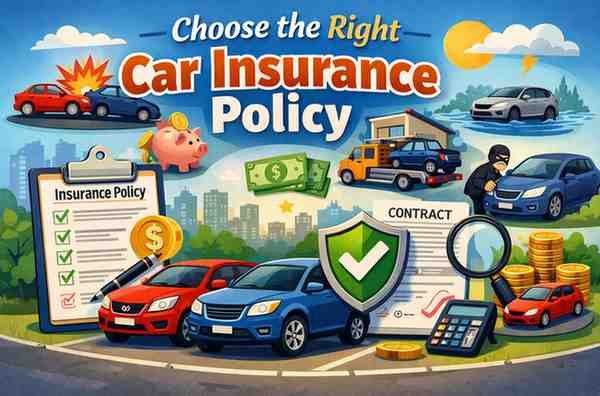
Owning a car comes with financial responsibilities, and car insurance is not just mandatory but essential for financial protection. With multiple insurance providers and policy types available, choosing the right car insurance policy can be confusing. The right coverage not only protects your vehicle but also ensures peace of mind in case of accidents, theft, or natural calamities.
This guide provides a step-by-step approach to choosing the perfect car insurance policy that balances protection, cost, and benefits.
1. Understand the Types of Car Insurance
Before choosing a policy, it’s important to know the types of car insurance available:
A. Third-Party Liability Insurance
-
Covers damages or injuries caused to another person or property
-
Mandatory under the Motor Vehicles Act in India
-
Does not cover your own vehicle damage
B. Comprehensive Insurance
-
Covers both third-party liability and own vehicle damages
-
Includes accidents, natural disasters, fire, theft, and vandalism
-
Optional add-ons like zero depreciation, roadside assistance, and engine protection can enhance coverage
💡 Tip: For new or expensive cars, comprehensive insurance is usually recommended.
2. Evaluate the Sum Insured
The sum insured is the maximum amount the insurer will pay in case of a claim:
-
Third-party insurance: Set by government regulations
-
Comprehensive insurance: Typically based on car’s current market value
Tips for Choosing Sum Insured:
-
Ensure it reflects the replacement cost of the car
-
Avoid undervaluing, as it may lead to insufficient claim amount
-
Periodically update sum insured for depreciation adjustments
3. Compare Policy Premiums
Insurance premiums vary by provider, car model, age of the car, and coverage options.
Steps to Compare Premiums:
-
Use online insurance comparison platforms
-
Check for hidden charges like processing or administration fees
-
Don’t choose solely based on the lowest premium — consider coverage quality
💡 Pro Tip: A slightly higher premium with better coverage is often more cost-effective than a cheap policy with limited benefits.
4. Check Add-On Covers
Add-ons enhance your policy but come at an extra cost. Some popular add-ons include:
-
Zero Depreciation Cover: Full claim without depreciation deduction
-
Roadside Assistance: Towing and emergency support
-
Engine & Gearbox Protection: Covers mechanical failures not caused by accidents
-
Return to Invoice Cover: Provides the original invoice value in case of total loss
Tip: Choose add-ons based on car age, value, and personal requirements.
5. Evaluate the Insurer’s Claim Settlement Ratio
A high claim settlement ratio indicates the insurer’s reliability in settling claims.
How to Check:
-
Review IRDAI annual reports for insurer ratios
-
Consider customer reviews and claim process efficiency
💡 Tip: An insurer with a high claim settlement ratio and easy process saves time and stress during emergencies.
6. Understand Policy Terms and Conditions
Reading the fine print prevents unpleasant surprises during claims:
-
Check deductibles or voluntary excess: Amount you pay before insurance payout
-
Understand exclusions: Accidents under intoxication, off-road damage, or unauthorized drivers
-
Review renewal and cancellation policies
Knowledge of terms ensures smooth claims and avoids denied payouts.
7. Consider the Car’s Age and Usage
-
New Cars: Comprehensive insurance with zero depreciation and return-to-invoice covers
-
Old Cars: Liability coverage plus selective add-ons to reduce premium
-
High Usage / Commercial Vehicles: Policies with higher limits and specialized coverage
💡 Tip: Match coverage to the vehicle’s value, usage, and risk profile.
8. Use Online Tools and Comparisons
Digital platforms simplify policy selection:
-
Compare premiums, coverage, and add-ons instantly
-
Check customer ratings and claim processes
-
Purchase and renew policies online for convenience
💡 Pro Tip: Digital platforms often offer discounts on premiums for online payments.
9. Keep Track of Renewal Dates
Car insurance is annual and missing renewal can lead to penalties and coverage gaps.
-
Set reminders 30 days before expiry
-
Renew with the same insurer for no-claim bonus
-
Consider switching insurers if better coverage or premium is available
Timely renewal protects against lapses and maintains continuous coverage.
Choosing the right car insurance policy is a balance between cost, coverage, and convenience. Understanding your car’s value, assessing your personal risk, comparing policies, and selecting suitable add-ons ensures that your vehicle is well-protected without overspending.
“Car insurance is more than a legal requirement — it’s financial security for your vehicle and peace of mind for you.”