
How to Use Credit Cards Wisely to Improve Financial Health
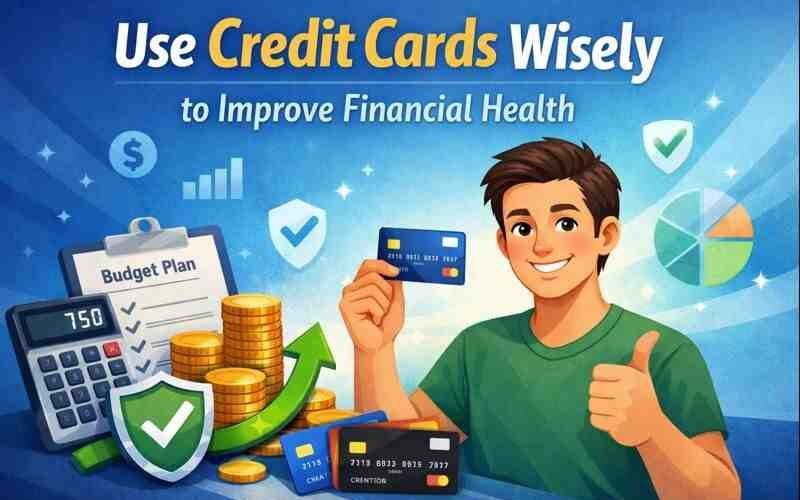
Credit cards are often seen as double-edged swords — they can either boost your financial health or lead to debt traps if mismanaged. Used wisely, credit cards offer convenience, rewards, and even help build a strong credit score. The key is discipline and smart usage.
This guide explains how to use credit cards effectively to enhance your financial well-being without falling into debt.
1. Understand Your Credit Card Basics
Before using a credit card, it’s important to understand its components:
-
Credit Limit: Maximum amount you can spend
-
Billing Cycle: Typically 30 days; sets the due date for payments
-
Grace Period: Interest-free period if the full bill is paid on time
-
Interest Rate (APR): Charges on unpaid balances
-
Fees: Annual fees, late payment fees, or over-limit fees
💡 Tip: Always read the terms and conditions to avoid hidden charges.
2. Pay the Full Bill Every Month
The most important habit for credit card users is paying the entire bill on time.
Benefits:
-
Avoids high-interest charges (credit card APRs can be 24–36%)
-
Maintains a healthy credit score
-
Encourages disciplined spending
Mistake to Avoid: Paying only the minimum amount due — this leads to interest accumulation and debt.
3. Track Your Spending
Credit cards make it easy to overspend because money isn’t leaving your wallet immediately.
How to Track:
-
Use your credit card app to review transactions daily
-
Set alerts for transaction limits
-
Categorize spending: essentials, entertainment, bills, travel
💡 Tip: Treat your credit card like cash — only spend what you can repay in full.
4. Use Rewards and Cashback Wisely
Many cards offer rewards points, cashback, or discounts. Leveraging these benefits can enhance financial health:
-
Choose a card aligned with your spending habits (e.g., fuel, groceries, travel)
-
Redeem rewards for essentials or bills instead of luxury items
-
Avoid spending extra just to earn points
💡 Pro Tip: Convert rewards into savings or emergency fund contributions.
5. Maintain a Low Credit Utilization Ratio
Your credit utilization ratio is the percentage of your credit limit used. Keeping it low improves your credit score.
-
Ideal ratio: <30% of total credit limit
-
Example: Credit limit ₹1,00,000 → spend no more than ₹30,000
-
Paying off balances multiple times in a month can help reduce utilization
6. Avoid Unnecessary Debt
Credit cards can create debt quickly due to high interest rates.
Tips to Avoid Debt:
-
Only use for planned expenses, not impulsive purchases
-
Avoid multiple credit cards with overlapping credit limits
-
Refrain from cash withdrawals on credit cards (high fees and interest)
💡 Tip: Think of your credit card as a tool for convenience, not extra money.
7. Build and Maintain a Strong Credit Score
A good credit score (CIBIL score) is crucial for loans, mortgages, and better interest rates.
Credit card usage impacts score positively when:
-
Bills are paid on time
-
Utilization is low
-
You maintain a long-standing account
-
Avoid frequent credit applications
A high score reduces borrowing costs and strengthens financial health.
8. Use Credit Cards for Financial Tracking
Credit cards automatically provide monthly statements, making it easier to:
-
Track spending patterns
-
Identify areas to cut unnecessary expenses
-
Compare month-on-month spending
-
Allocate funds efficiently toward savings and investments
💡 Tip: Treat statements as mini financial reports and analyze them regularly.
9. Avoid Hidden Fees and Penalties
Be mindful of:
-
Late payment fees
-
Annual renewal fees
-
Foreign transaction charges
-
Over-limit penalties
Solution:
-
Set auto-pay for full bills
-
Choose no-annual-fee cards if you rarely use benefits
-
Be aware of international spending charges for online or travel transactions
10. Combine Credit Cards with a Budget
Using a credit card doesn’t replace budgeting — it complements it.
Steps to Combine:
-
Follow a monthly budget (like the 50-30-20 rule)
-
Allocate credit card spending within the “wants” or “bills” category
-
Pay the full amount at month-end from your allocated budget
💡 Tip: Treat credit card spending as pre-paid money from your budget.
Credit cards, when used wisely, are more than just a payment tool — they are a financial ally. They help improve credit scores, provide rewards, enhance spending discipline, and simplify tracking.
“Credit cards are a tool, not free money — use them strategically to strengthen your financial health.”
Start with one card, track expenses, pay full bills, and leverage rewards. Over time, you’ll see improved financial discipline, a higher credit score, and better control over your money.